
Summary
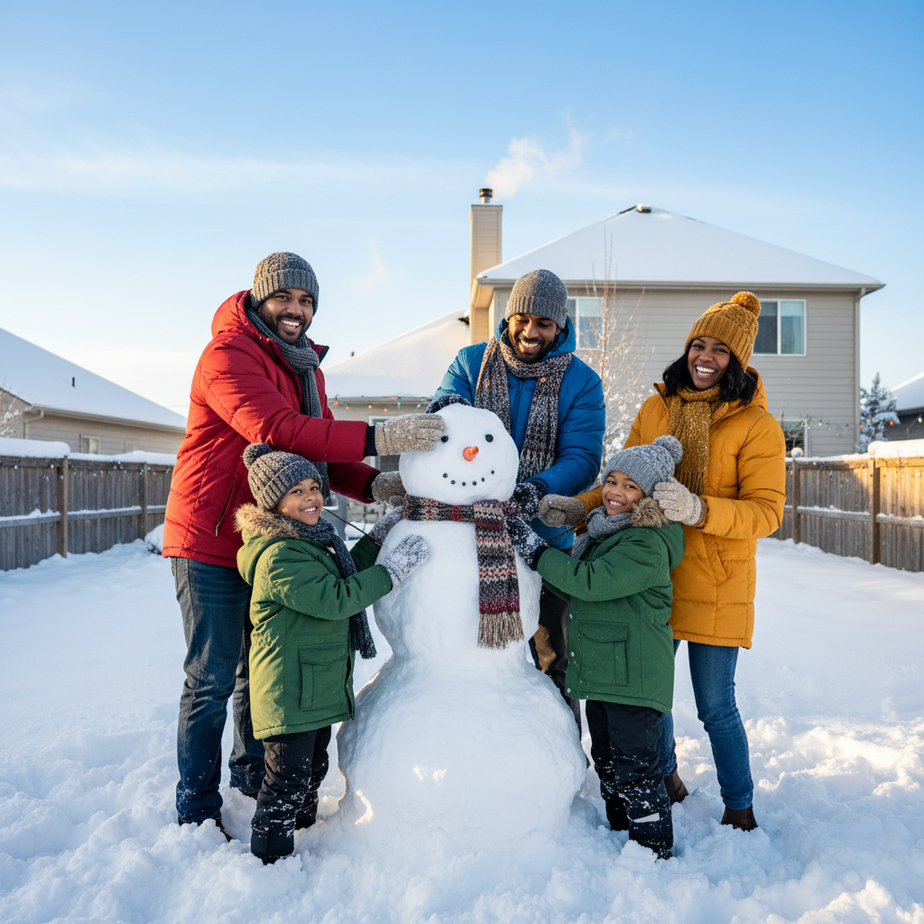
As winter blankets Canada in snow and sub-zero temperatures, newcomers can find their first experience with the season to be a significant challenge. From navigating icy roads to simply staying warm, adjusting to the Canadian climate is a crucial part of the settlement process. This guide provides essential tips and strategies to help new immigrants and residents prepare for, and even enjoy, everything Canadian winter has to offer, ensuring you are ready for the next big snowstorm.
Why is Winter Preparedness Crucial for Newcomers?
Understanding how to handle Canadian winters is more than just a matter of comfort; it’s a matter of safety and well-being. For those unfamiliar with extreme cold, heavy snowfall, and icy conditions, a lack of preparation can lead to dangerous situations, such as vehicle accidents, frostbite, or home emergencies like frozen pipes. Being prepared allows you to stay safe, healthy, and confident. It also empowers you to participate fully in Canadian life, from daily commutes to enjoying popular winter activities like skating or skiing. Mastering winter is a key step in successfully adapting to your new home.
Who Is Affected?
This guidance is essential for a wide range of individuals who are new to the Canadian climate, including:
- Newly landed Permanent Residents experiencing their first full winter season.
- International Students arriving for the fall or winter semesters.
- Temporary Foreign Workers, especially those in regions with heavy snowfall.
- Refugees and protected persons settling into their new communities.
- Anyone who has recently moved to Canada from a warmer climate.
What Can You Do to Prepare?
Taking proactive steps can transform your winter experience from one of survival to one of enjoyment. Here are practical, actionable tips to get you ready for the season.
1. Dress in Layers for the Cold
The most effective way to stay warm is by dressing in layers. This traps air and creates insulation.
- Base Layer: A moisture-wicking layer (like thermal underwear) to keep your skin dry. Avoid cotton, which holds moisture.
- Mid Layer: An insulating layer like a fleece or wool sweater to retain body heat.
- Outer Layer: A waterproof and windproof jacket to protect you from the elements. A quality winter jacket (a “parka”) is one of the best investments you can make.
- Accessories: Don’t forget a warm hat (a “toque”), waterproof gloves or mittens, a scarf, and thick wool socks. Insulated, waterproof boots with good grip are non-negotiable for keeping your feet warm and preventing slips and falls.
2. Prepare Your Home for a Storm
Ensure your home is a safe, warm sanctuary during a winter storm.
- Emergency Kit: Prepare a kit with enough supplies for 72 hours. Include non-perishable food, bottled water, flashlights, extra batteries, a first-aid kit, and a battery-powered or crank radio.
- Check Your Heating: Ensure your furnace or heating system is working correctly before the first major cold snap.
- Prevent Drafts: Use weather stripping or plastic film kits to seal drafty windows and doors to keep the heat in and lower your energy bills.
3. Master Safe Winter Driving
Driving in snow and ice is one of the biggest challenges for newcomers.
- Install Winter Tires: They provide essential traction and are legally required in provinces like Quebec and parts of British Columbia during specific months. They offer significantly better grip than all-season tires when temperatures drop below 7°C.
- Keep a Car Emergency Kit: Include a snow brush and ice scraper, windshield washer fluid rated for -40°C, jumper cables, a small shovel, and a blanket.
- Adjust Your Driving: Slow down, leave extra distance between you and the vehicle ahead, and avoid sudden starts, stops, or turns. Always clear all snow and ice from your vehicle before driving.
4. Stay Safe and Healthy
Pay attention to your health and public safety warnings.
- Check the Forecast: Always check the weather forecast and any storm warnings before heading out. Pay attention to the “wind chill” factor, which can make the temperature feel much colder and increase the risk of frostbite.
- Pace Yourself: Shoveling snow is strenuous work. Take it slow and take frequent breaks to avoid over-exertion.
- Look After Your Mental Health: Shorter days and cold weather can sometimes lead to the “winter blues.” Try to stay active, get outside during daylight hours when possible, and connect with friends and community groups.