
Summary
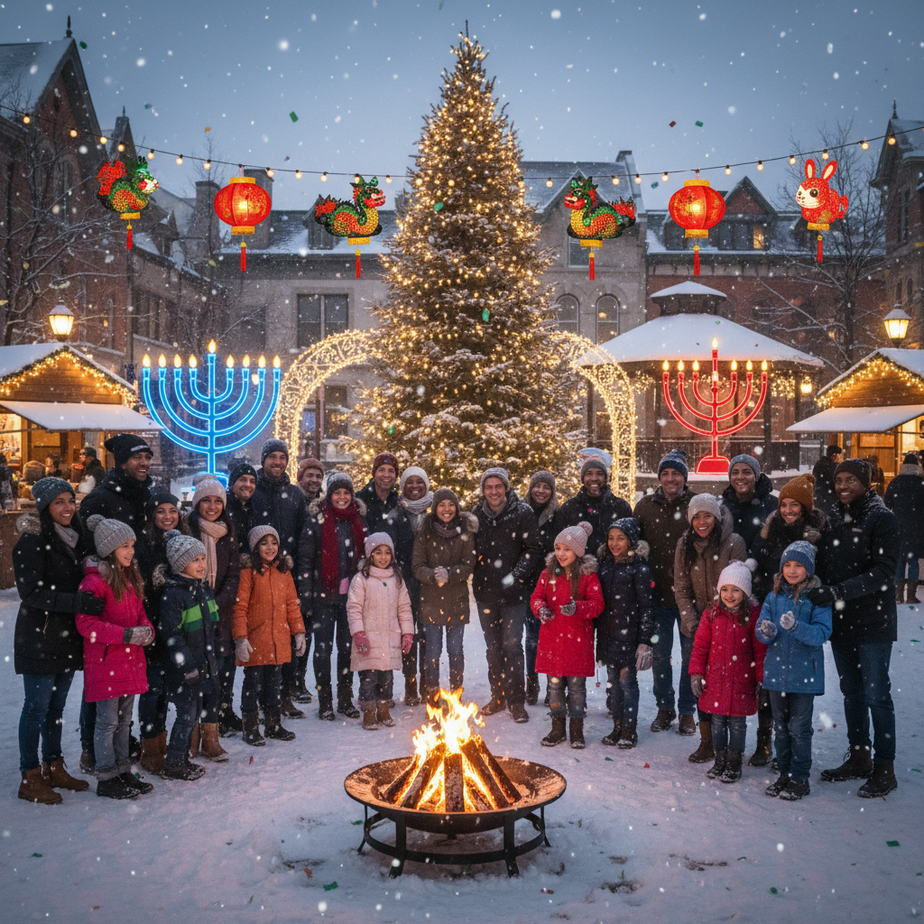
As the winter season unfolds in Canada, a rich tapestry of cultural and religious celebrations comes to life, extending far beyond Christmas. A recent feature highlights the diverse holidays observed by newcomers, showcasing Canada’s deep commitment to multiculturalism. These celebrations are a cornerstone for community building, allowing both new and long-time residents to connect, reflect, and share in unique traditions that illuminate the Canadian winter.
What Does This Update Mean?
This focus on diverse celebrations is a powerful affirmation of Canada’s identity as a welcoming and inclusive nation. For prospective and new immigrants, it signifies that their cultural heritage is not only accepted but celebrated. It underscores that moving to Canada doesn’t mean leaving traditions behind; instead, it means sharing them and weaving them into the national fabric. This acknowledgment helps foster a stronger sense of belonging and community for newcomers, making the settlement process more enriching.
A Glimpse into Canada’s Winter Celebrations
While the article mentions eight holidays, Canada is home to countless traditions. Here are a few celebrated by communities across the country:
- Hanukkah: The Jewish Festival of Lights, celebrated for eight nights with the lighting of the menorah, special foods, and games.
- Kwanzaa: A celebration of African-American and Pan-African culture, heritage, and values, observed from December 26 to January 1.
- Lunar New Year: Celebrated by many East Asian communities, this festival marks the beginning of a new year on the traditional lunisolar calendar with feasts, family gatherings, and vibrant public festivities.
- Makar Sankranti: A Hindu festival dedicated to the deity Surya, marking the first day of the sun’s transit into Makara (Capricorn). It is celebrated with kite flying, bonfires, and feasts.
- St. Nicholas Day: Observed by many European Christian communities on December 6th, it’s a day for special treats and small gifts for children.
- Boxing Day: While a statutory holiday for all Canadians on December 26, its traditions vary, from shopping sales to a day of rest and visiting family.
Who Is Affected?
- Newcomers and New Immigrants: This information is directly for you, offering a sense of inclusion and providing ideas on how to maintain and share your cultural traditions in your new home.
- Prospective Immigrants: For those considering a move, this showcases the welcoming environment and multicultural landscape that make Canada a desirable destination.
- Established Canadian Residents: It’s an opportunity to learn about the diverse cultures within your community, fostering greater understanding and stronger neighbourhood bonds.
- Community and Cultural Organizations: These groups are often the heart of holiday celebrations, and this highlights their vital role in supporting newcomers and preserving cultural heritage.
What Can You Do About It?
For newcomers, celebrating your traditional holidays in a new country can be a powerful way to feel at home. Here are some actionable steps you can take:
- Connect with Community Centres: Seek out local cultural or religious centres that represent your heritage. They often host events, celebrations, and gatherings.
- Share Your Traditions: Invite new friends, colleagues, or neighbours to share in a traditional meal or celebration. It’s a wonderful way to build bridges and share your culture.
- Find Familiar Foods: Explore local ethnic grocery stores. You’ll likely find the ingredients you need to prepare traditional holiday dishes.
- Attend Public Events: Many Canadian cities host public celebrations for holidays like Lunar New Year or Hanukkah. These are great opportunities to celebrate with a larger community.
- Stay Connected Online: Use social media and online forums to find groups and events for newcomers from your home country, helping you stay connected to your roots while planting new ones in Canada.